









Приклади технічних рішень
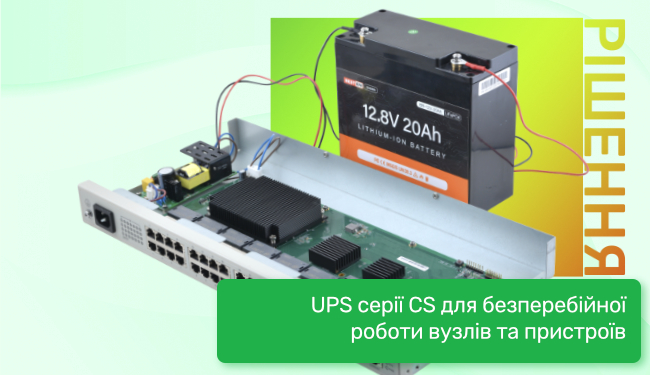
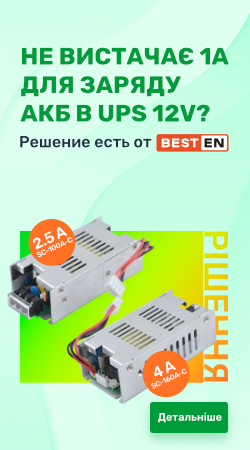
Виробник BestEn пропонує кілька варіантів моделей безперебійного живлення для встановлення на телекомунікаційних вузлах, у системах відеоспостереження та контролю доступу, у системах резервного освітлення, щоб забезпечити безперебійну роботу обладнання на період відсутності електрики.
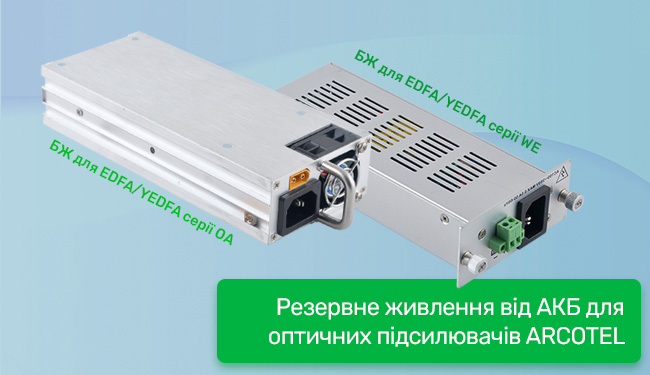
Для надання послуги інтернет абонентам без електрики інтернет провайдери використовують резервні системи живлення.
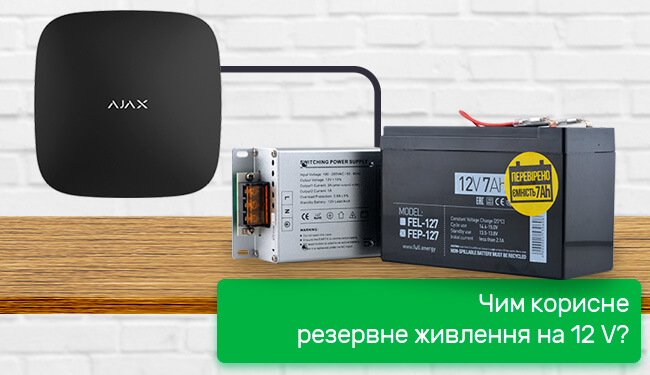
Шановні колеги та партнери,
Раді поділитися рішенням, яке дозволяє просто і недорого забезпечити резервне живлення для пристроїв на 12 В, яких насправді в нашому будинку не так мало.
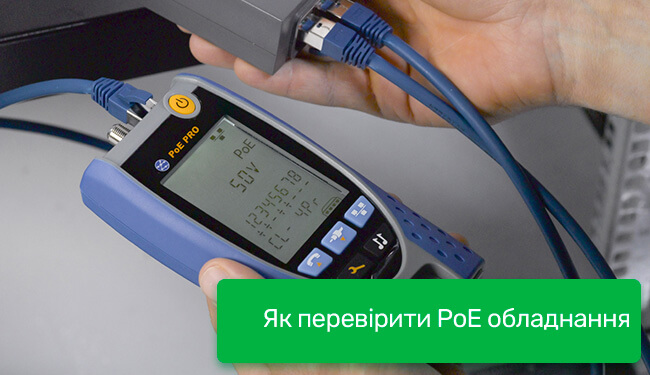
Спеціалісти з монтажу структурованих кабельних систем та служб експлуатації підприємств все частіше потребують рішення для швидкої і точної перевірки живлення PoE.
У цій статті ми познайомимося з інструкцією як налаштувати Hotspot і гостьовий Wi-Fi на обладнанні торгової марки MikroTik. Але для початку розберемося чим відрізняються Hotspot і гостьовий Wi-Fi.
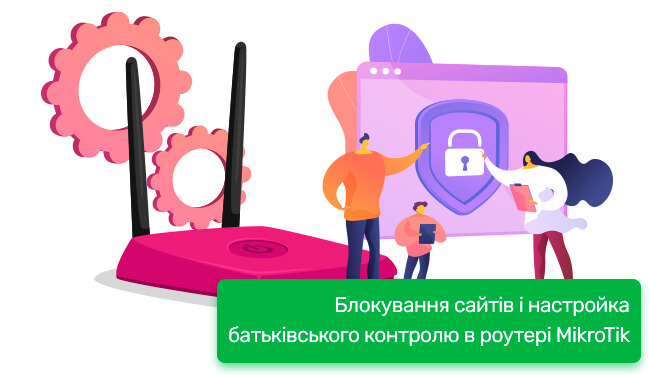
Потреба в блокуванні шкідливого контенту була, і залишається однією з основних потреб для поліпшення безпеки мережі. А зі зменшенням віку користувачів, блокування «дорослого» контенту стала актуальна не тільки для офісу, а і для домашньої мережі.
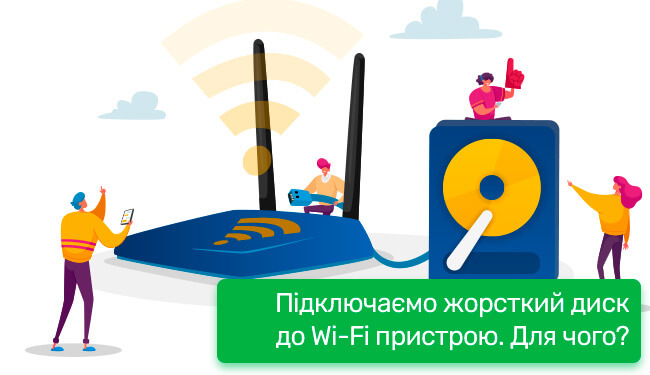
Тандем з бездротового роутера і зовнішнього накопичувача з портом USB здатний розв'язувати задачу побудови локального мережевого сховища або невеликого медіасервера.
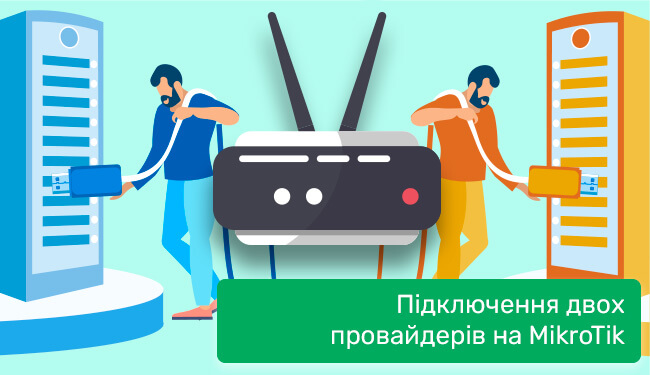
Підключення двох провайдерів дозволяє збалансувати навантаження на інтернет канал збільшивши тим самим загальну пропускну здатність. А також дозволяє використовувати друге підключення у вигляді резервного каналу, в разі, коли основне підключення буде втрачено інтернет підключення залишиться.
Дізнайтеся як зробити налаштування віртуальної локальної мережі VLAN для мережевого обладнання Mikrotik поетапно в стані: access, trunk, і в двох станах одночасно
Ця стаття створена як інструкція з налагодження різних параметрів і функціоналу обладнання MikroTik . І постійно доповнюватиметься новими темами, які будуть корисні не тільки новачкам але і просунутим користувачам які вже не перший день мають справу з обладнанням MIkroTik .
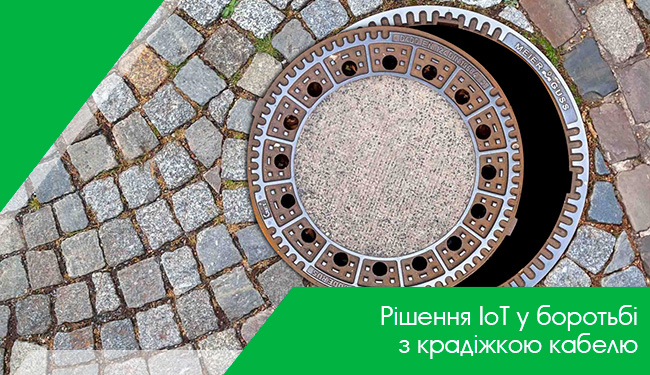
Навіть за умов карантину в Україні так і не вдалось побороти одну з найбільш поширених телеком - проблем. Мова йде про крадіжки кабелю, які останнім часом набули великих масштабів. За даними Укртелеком, під час карантину кількість крадіжок кабелю значно зросла: в середньому 150-160 інцидентів за день.
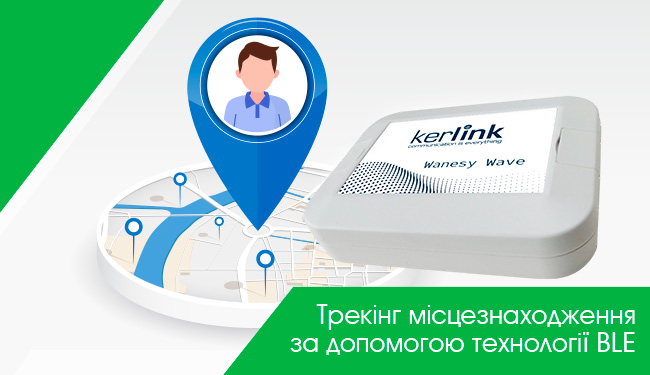
Ні для кого не секрет, що персонал - це один з найважливіших ресурсів на підприємстві. Останні події коронавірусу тільки підтвердили це, крім того дали зрозуміти, що люди є також найбільш вразливим ресурсом.
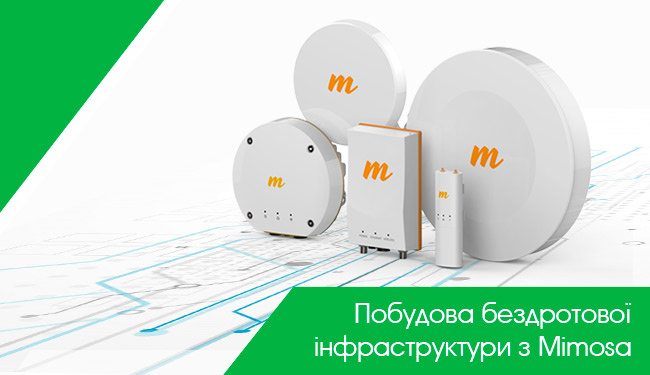
На сьогоднішній день проникнення інтернет мережі у великих і малих містах на території України настільки велика, що користувач губиться у виборі постачальника послуг . Кабельна інфраструктура опоясала кожен будинок по кілька витків з десяти провайдерів. Але як йдуть справи в приватному секторі, невеликих селищах і селах, коли із-за одного двох приватних будинків потрібно розгортати цілу інфраструктуру з купою дорогого устаткування і робіт. Простіше сказати, що «це не рентабельне» і користувач прирікає себе в кращому випадку на 3G інтернет від мобільного оператора. Але є ще один вихід - це підключення через радіоканал.
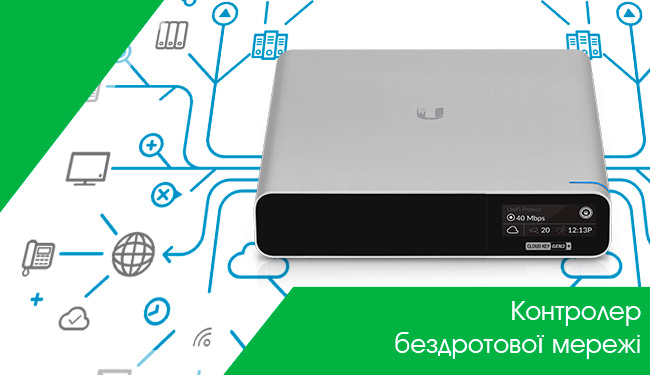
Контролер бездротової мережі, іншими словами - це контролер точок доступу. Цей пристрій не є маршрутизатором чи міжмережевим екраном, чи навіть комутатором - цей пристрій управляє точками доступу. Це може бути, як окремий мережевий пристрій у вигляді маленької або великої коробочки, а також може бути у вигляді хмарного сервісу.
Ми приєдналися до бойкоту російської та білоруської продукції. Слава Україні!
We joined the boycott of russian and belarusian products. Glory to Ukraine!!